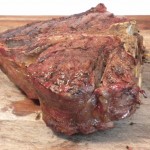
 Photos of recipes from the new book Tender Grassfed Barbecue
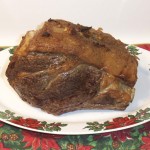 Photos of recipes from the cookbook Tender Grassfed Meat

The Magic of Meat and Potatoes—and Fat
By Stanley A. Fishman, author of Tender Grassfed Meat
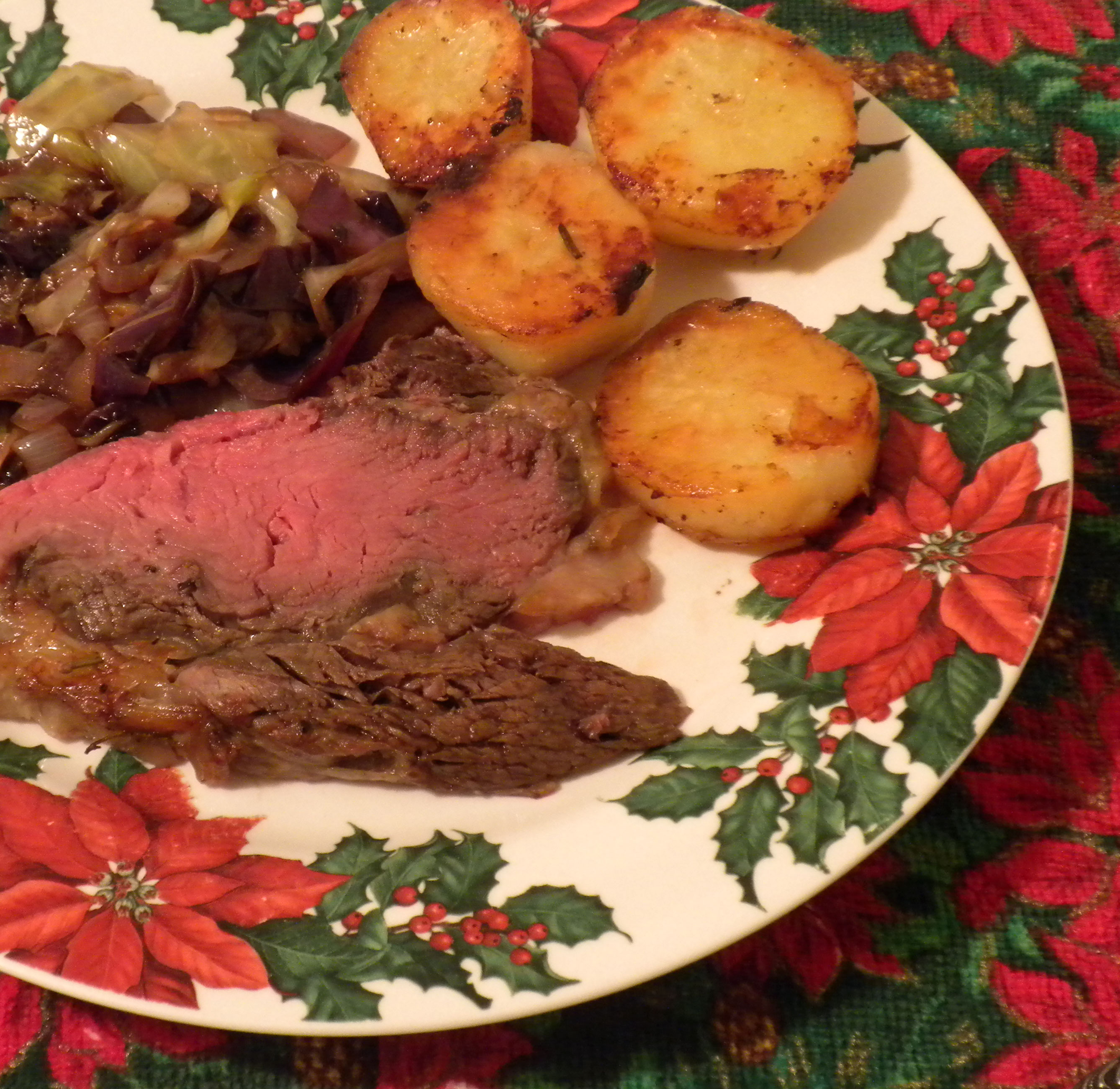
Grassfed meat and organic potatoes roasted in grassfed beef fat.
Meat and potatoes were once so popular that the very term came to mean the very essence, the indispensible part of anything, the “meat and potatoes.†In terms of a good main meal, meat and potatoes were always there, and anything else was optional.
The attempts to ram grain and vegetables down people’s throats, as exemplified by the ridiculous food pyramid, changed this. Meat has been demonized as unhealthy in a myriad of ways. Potatoes, with their high glycemic index and starch content, have also come under attack, and are avoided by the low-carb movement.
Yet the combination of meat and potatoes is a very old tradition in Europe, one that goes back centuries, back to the introduction of the potato. It was the foundation of the diet (when people could get meat), and they thrived on it. However, the European tradition had a third component, perhaps the most important of all—fat. Fat that was almost always from animal sources, like butter, bacon, lard, beef tallow, lamb tallow, etc. Of course, animal fat is the most demonized food of all.
Demonization aside, the combination of meat, potatoes, and fat is one of the most nutritious and delicious combinations you can have in a meal. Most of our main meals feature this combination, and we thrive on it.
But it is crucial to use the right meat, the right potatoes, and the right fat. Together they create a wonderful balance, both in nutrition and pH balance, and are one of the tastiest food combinations.
The Right Meat Is Raised in a Pasture, Not a Feedlot
When most Americans think of meat, they think of the relatively tasteless, watery, mushy, greasy, nutrition-light factory meat that comes out of feedlots, having been fattened on GMO corn, GMO soy, and a variety of other unnatural feeds that can easily include rendered chicken manure. While this kind of meat is considered safe to eat, safe is not enough. This meat just will not work as part of the traditional trilogy of meat, potatoes, and fat.
Grassfed and grass finished meat, the same kind of meat that was eaten when the meat-potatoes-fat tradition began, is a very different substance. Grassfed meat has incredible flavor, has a nice meaty texture, is not greasy, and is nutrient-dense, having the right ratio of omega-3 to omega-6 fatty acids, and a number of valuable nutrients that are often missing in factory meat.
Grassfed meat is the right meat.
The Right Potatoes Are Not Saturated with Pesticides
The potatoes eaten when the meat-potatoes-fat combination began were not sprayed with pesticides. Most potatoes in the United States are heavily sprayed with a multitude of pesticides, and are one of the most pesticide-heavy foods you can get. The only way to avoid this is to get organic potatoes.
Dr. Weston A. Price studied some of the traditional peoples of Peru, and found them to be free of chronic diseases and tooth decay. Organic potatoes were an important part of their diet, though they ate many animal foods and seafood as well.
The right potatoes are organic potatoes.
The Right Fat Comes from Animals, Not Factory Crops
The fat eaten when the meat-potatoes-fat tradition began in Europe was the fat of grassfed animals, or the fat from their milk. The one exception was olive oil, though olive oil was often combined with animal fats in cooking.
The fat that comes from modern vegetable oils just will not work for this combination, as it did not even exist when the meat-potatoes-fat combination began. These oils have a very high ratio of omega-6 fatty acids to omega-3 fatty acids, which is very undesirable. The fats that should not be used include: soybean oil, canola oil, corn oil, safflower oil, sunflower oil, cottonseed oil. An excellent article on this subject is Know Your Fats Introduction.
It is crucial that the fat comes from grassfed and/or pastured animals, eating their natural food, so the fat will be similar to the fat available when the meat-potatoes-fat combination began. This includes butter, full-fat cheese, full-fat milk, full-fat cream, full-fat yogurt, full-fat sour cream, full-fat cultured cream, natural unhydrogenated pork lard, grassfed beef tallow, lamb tallow, bison tallow, and the fat from pastured chickens, geese, and ducks. These fats are extremely nutritious and lend an incredible flavor to food.
The right fat is the fat of grassfed animals, the fat from their milk, and the fat of pastured animals.
Meat, Potatoes, and Fat Balance Each Other
I have come to understand that traditional food combinations stand the test of time because they are beneficial. Time and time again, science has confirmed the wisdom of these traditions.
For example, it is known that it is important to maintain a body pH balance that is not too acidic or alkaline, with slightly alkaline being ideal. Meat is acidic, and potatoes are one of the most alkaline foods you can eat. They are a perfect balance for each other. This may explain why the meat and potato combination was so popular, as traditional peoples always seemed to know what foods should be eaten together.
The adverse effects of the high glycemic index of potatoes are avoided when the potatoes are eaten with plenty of good fat. The fat changes the way that high glycemic foods are digested and absorbed. Again, traditional peoples seemed to know this. In Europe, potatoes were always eaten with plenty of good, natural, traditional fat. Potatoes were baked with cream and milk, fried in lard, fried in butter, fried with bacon, made into casseroles with butter and cheese, covered with sour cream or butter, and combined with cheese and baked into pies. These are just a few of the thousands of ways fat and potatoes were combined. Even the poor would dip their boiled potatoes into butter, or eat them with full-fat milk or cheese.
All of the potato recipes in Tender Grassfed Meat contain plenty of good fat, and they are intended to be eaten with meat, following the tradition.
The food trilogy of grassfed meat, organic potatoes, and natural fat provides the body with an incredible combination of nutrients—leading to satisfaction and contentment.
The taste benefits of meat, potatoes, and fat are just as incredible. I know because I eat this combination almost every day, in many delicious variations.
Here’s to meat and potatoes—and fat!
Related Post
Steak and French Fries—Still My Favorite Meal
This post is part of Monday Mania and Real Food Wednesday and Fight Back Friday Blog Carnivals.
Let the Buffalo Roam
By Stanley A. Fishman, author of Tender Grassfed Meat
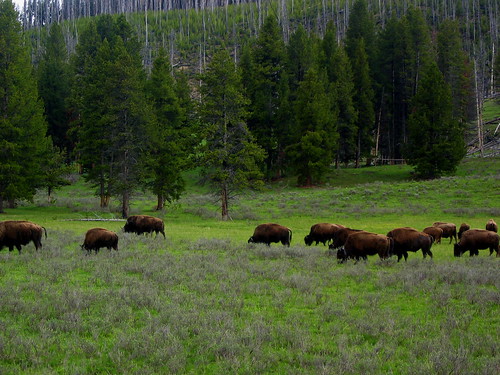

Bison are huge, magnificent creatures designed to roam the vast plains of North America and to graze on the native grasses. The meat of these noble animals has a wonderful flavor of its own, with a sweet, clean taste found in no other meat. I have found that bison meat is one of the most energizing and rejuvenating foods I have ever eaten. Recently, I was horrified to learn that feedlots have been introduced for these magnificent animals who were never meant to be confined. But there is something we can do about this. We can decide not to eat any bison meat that is not 100% grassfed and grass finished.
Bison Thrive on Pasture
Once, more than 60 million bison roamed the Great Plains of the United States and Canada. These herds were so vast that it would take them days to pass a single spot. The bison ate the native plants and grasses, growing strong, healthy, and numerous. A number of Native American nations lived off the bison, getting almost all of their food from these healthy animals. The meat and fat of the bison provided high-quality food; the bones provided nourishing broth, and were often made into tools; the furry pelts were made into robes that kept the people warm during the winter, and provided blankets and clothing; the sinews were made into glue that was used to make bows and other tools; and the hides provided tough shields and footware, as well as clothing.
The Native Americans who lived off the bison were noted for their strength, endurance, physical beauty, intelligence, and robust good health. The bison thrived on the native grasses, and the people thrived off the bison. But this happy balance was doomed.
Industry Almost Exterminated the Bison
In the nineteenth century, the clothing industry discovered that bison hides were perfect for making warm clothing, coats, hats, and other apparel. They paid buffalo hunters to use specially designed buffalo rifles to slaughter the bison for their hides. This was made economically viable by the railroads, which could cheaply transport huge numbers of bison hides to the factories. The bison were slaughtered by the millions. The professional buffalo hunters would take only the hides and leave the rest of the bison to rot. This mass slaughter of the bison was encouraged by American industry and government, as a way to remove the main food source of the Native Americans living on the Great Plains, and as a way to clear the land of bison so it could be used for farming. By the end of the nineteenth century, there were less than 600 bison left alive in the United States. Over 60 million had been slaughtered for their hides.
The Bison Return
Fortunately, efforts were made to finally protect the bison. The numbers increased, and bison were once again used for food. Some creative ranchers learned how to raise bison and increase their numbers—and soon there was a substantial increase in the number of bison. These early ranchers raised and finished the bison on grass. They found that bison eating their native grasses were sturdy, healthy, hardy animals, who provided wonderful meat. However, raising bison naturally required a great deal of knowledge and effort on the part of the ranchers, and it took a while to raise a bison for meat. Some bison ranchers began to feed grains to their bison. These grain fed bison grew and matured faster. However, bison were never intended to eat grain, and the very composition of their meat and fat changed.
How to Make Bison Taste Like Beef
A bison industry was formed. The industry decided that they would sell more bison if they could make bison taste like beef. This led to the bizarre “beefalo†experiment where bison were interbred with cattle to provide hybrid animals who were turned into meat. Consumers had no interest in this product, and it was dropped. The industry then developed ways of feeding unnatural diets to bison that were designed to make them grow faster, and have their meat taste like beef. The industry succeeded completely. Grain finished bison tastes just like grain finished beef. The sweet, clean taste of grassfed bison was lost.
Comes the Feedlot
Feeding grain to bison was bad enough. Not only did it destroy the wonderful, natural taste of the bison, making the bison taste just like grain finished beef, but it changed the nutritional qualities of the meat. The situation became much worse when feedlots were introduced for bison. A protocol of 100 days of eating nothing but grains in a feedlot was introduced. For example, a recent study showed that grassfed bison had an omega-6 to omega-3 ratio of 4 to 1. Putting the bison on a grain diet in a feedlot resulted in an omega-6 to omega-3 ratio of 21 to 1. This huge imbalance of the omega-6 to omega-3 ratio does not occur in nature, and is not what our bodies were designed to eat.
Recently, the USDA Food Inspection Service announced that approximately 66,000 pounds of bison were recalled because of possible E. coli contamination.
Bison were meant to roam the prairie, eating the native grasses, not to be confined in a feedlot, eating food that is unnatural to them.
The Grassfed Solution
Fortunately, there are some bison ranchers who keep their animals on the pasture, and do not feed them grains, or send them to feedlots. These animals are healthy, and are free to roam the prairies as they were designed to do. Their meat is sweet, and nourishing, with the wonderful clean taste that is equaled by no other meat. This is the only kind of bison meat that I will eat. I encourage everybody to vote with their pocketbooks and buy only grassfed and grass finished bison. Let the buffalo roam.
My Sources Page has links to two wonderful bison ranches that sell only grassfed and grass finished bison.
This post is part of Real Food Wednesday Blog Carnival at Kelly the Kitchen Kop.
How Grassfed Meat Helps Weight Loss
By Stanley A. Fishman, author of Tender Grassfed Meat
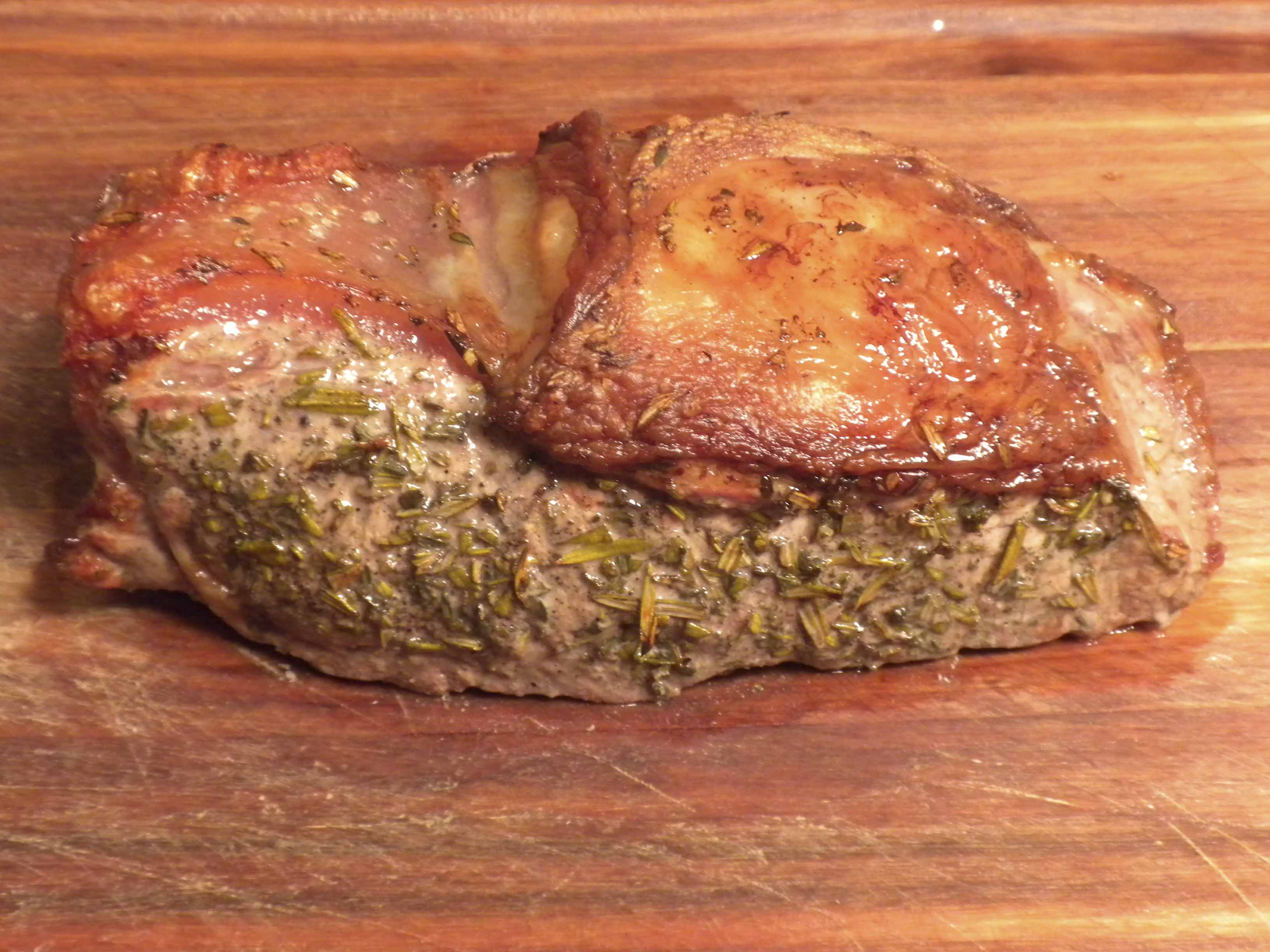
Strip Loin Roast with Double Herb Crust, recipe on page 94, Tender Grassfed Meat Cookbook
Very few people think of grassfed meat and fat as a diet food. But eating grassfed meat and fat can satisfy your appetite so you eat less, stop your body from storing fat, and get your body to start burning fat. Grassfed meat and fat also give you many vital nutrients that you might not otherwise get while dieting. Most of the nutrients are in the fat. To paraphrase the title of one of my favorite books, you eat fat to lose fat. But it must be the right kind of fat—grassfed.
Where is the Fat?
The fat in meat is in two places, the exterior fat, which can be seen as a distinct slab on the top or side of the meat, and the interior fat, which is actually in the meat itself, often visible as small white specks (sometimes referred to as marbling).
Grassfed Meat is Different than Other Meat
The actual composition of grassfed meat is very different from that of conventional meat. Conventional meat has been fed large amounts of grain and other substances which are not the natural food of grassfed animals. This creates many changes in the meat, only some of which are known. For example, conventional beef fat has a much lower ratio of omega-3 fatty acids to inflammatory omega-6 fatty acids than grassfed beef fat. The ratio of omega-3 to omega-6 in conventional beef fat is often 1-20. The ratio of omega-3 to omega-6 in grassfed beef fat ranges from 1-1 to 1-4. Conventional meat did not exist prior to the 20th century. Grassfed meat has been nourishing humanity for uncounted thousands of years.
The Benefits of CLA
CLA, or Conjugated Linoleic Acid, has many benefits for someone who is trying to lose weight, as well as everyone else. CLA is abundant in the fat and meat of grassfed animals, and is easily absorbed in this form, making it available for your body to use.
- CLA normalizes thyroid function, so your thyroid produces substances which help normalize your weight, while avoiding the weight gain which often results from hyperthyroidism.
- CLA increases your metabolic rate, so your body burns more calories.
- CLA actually signals your body to stop storing fat, and to start burning it.
- CLA increases muscle mass while decreasing fat.
- CLA decreases abdominal fat.
Grassfed Meat and Fat Satisfy Your Hunger by Nourishing Your Body
One of the hardest things for anybody on a diet is to eat less, or to give up foods that you are used to eating. The constant hunger can make it very difficult to lose weight. The main reason for most hunger is very simple. The body is not getting the nutrients it needs, so it wants to keep eating until it has what it needs. The problem is that modern foods do not contain all the nutrients your body needs, so eating them does not satisfy hunger.
Grassfed meat and fat are nutrient-dense, containing many of the nutrients we know about, such as vitamins D and A, most B vitamins, vitamin E, many minerals, most amino acids, the proper ratio of omega-3 to omega-6 fats, and high quality protein. Grassfed meat and fat also contain nutrients which have not yet been discovered, but which your body still needs. Your body is ready, willing and able to absorb the nutrients in grassfed meat, as your ancestors have been eating this meat for thousands of years and longer.
Grassfed meat is much denser and less watery, and it satisfies. When you eat a properly cooked serving of grassfed meat and fat, your body is nourished, you are satisfied, and the hunger disappears. I eat about half as much meat since I switched to grassfed, and I am satisfied. When my hunger is satisfied, I lose all desire to eat.
Grassfed meat and fat can really help any dieter, especially the low carb dieter, as grassfed meat and fat are allowed on such diets.
A very good book on weight loss is Eat Fat, Lose Fat: The Healthy Alternative to Trans Fats by Sally Fallon and Mary Enig, PhD. Two great books that really support the low-carb dieter are: LIVIN’ LA VIDA LOW-CARB: My Journey From Flabby Fat to Sensationally Skinny in One Year and 21 Life Lessons From Livin’ La Vida Low-Carb: How The Healthy Low-Carb Lifestyle Changed Everything I Thought I Knew by Jimmy Moore.
Why I Eat Organic or the Equivalent
By Stanley A. Fishman, author of Tender Grassfed Meat
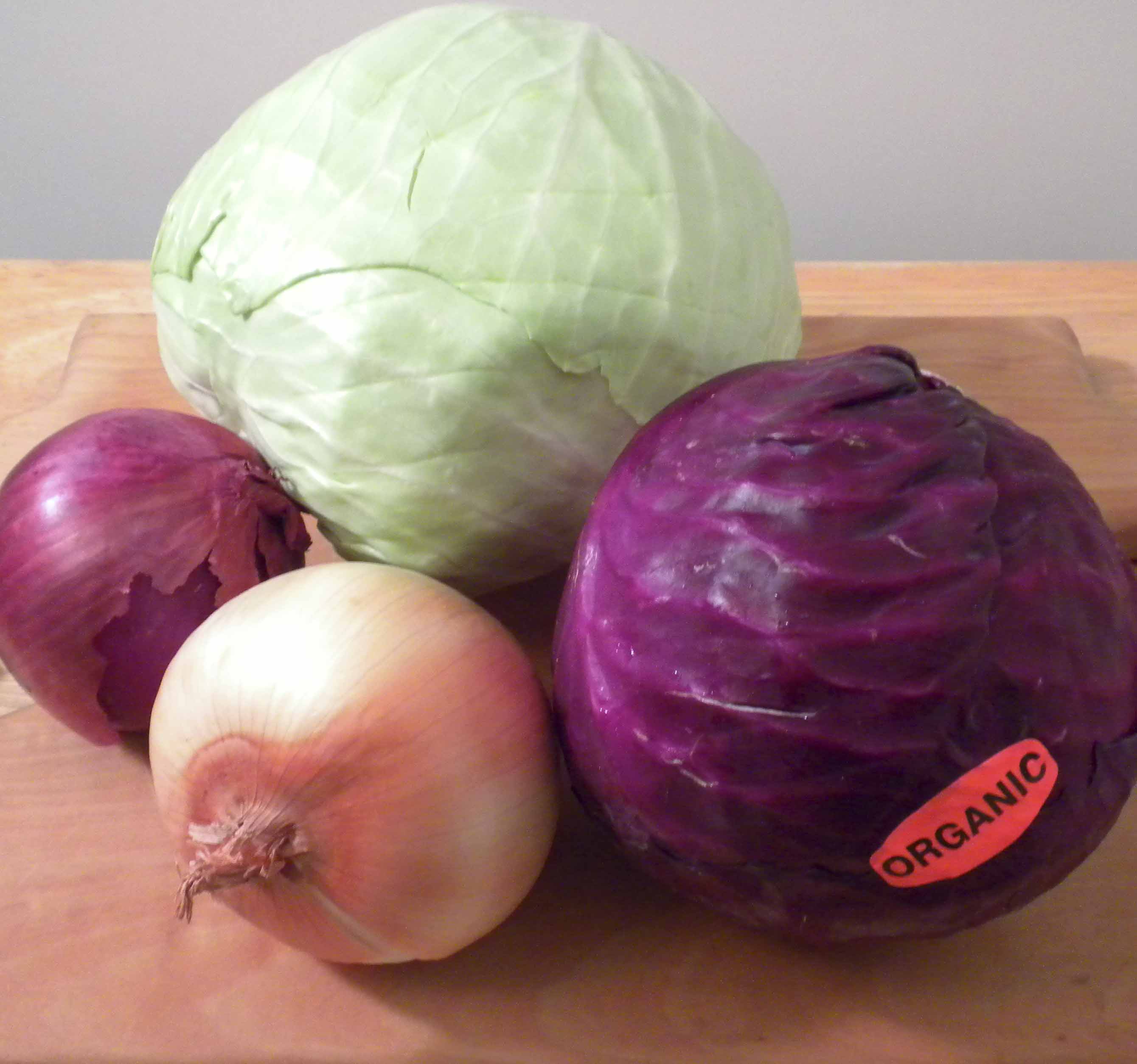 I strongly recommend the use of organic ingredients in Tender Grassfed Meat. The reason is simple. I want to eat the most nutritious food I can, and the tastiest food I can. Dr. Weston A. Price discovered that people eating the traditional diet of their ancestors were healthy. All of the food contained in these traditional diets was organic or the equivalent. My health was restored by trying to copy the diets described by Dr. Price. After I restricted my diet to organic or the equivalent, I learned something. The food tasted better — much better.
The human body is made to process natural, unaltered food.
The methods that the human body uses to sustain, nourish and rebuild itself are many, and very complex. Nutrients are not processed in isolation, but together. For example, it is now known that an oversupply of one B vitamin can actually cause a deficiency in other B vitamins, because the body is set up to process these nutrients together, the way they are present in food. When you get your nutrients from unaltered food, everything is present that is needed to fully assimilate the nutrients. Our ancestors learned which foods were good to eat, and all of the nutrients and cofactors in those foods are necessary to properly assimilate the nutrients. Our ancestors also learned to combine foods to ensure proper nutrition. While they could not identify specific vitamins, minerals, amino acids, and fatty acids, they knew what to eat. This knowledge was passed from generation to generation, over thousands of years.
Non-organic foods are altered and different from traditional foods.
Modern food raising practices have altered the very chemistry of food. For example, feeding grain and other non-grass substances to cattle change the balance of omega-6 to omega-3 fatty acids dramatically, from one to one to twenty to one. When you eat meat from an animal made to eat grass, your body expects the food to have the proper ratio of omega-6 to omega-3. When the meat does not have the proper ratio, your body is not getting what it is ready to process. We do know that an excess of omega-6 fatty acids can cause inflammation and a host of illnesses.
Vegetables that are sprayed regularly with pesticides, which they absorb, are different from the vegetables humankind has eaten for most of history. Artificially fertilized soil lacks many of the nutrients and minerals present in naturally rich soil, and food grown with artificial fertilizers is different from food grown in naturally rich soil. This forces your body to process substances that either have never existed before (artificial chemicals and pesticides), and/or lack the substances the body expects to find in the food, which may be necessary to properly process and assimilate the nutrients.
GMOs did not exist in nature, and were not eaten by our ancestors.
None of the healthy peoples studied by Dr. Price ever ate GMOs (Genetically Modified Organisms), because GMOs did not exist at the time. GMOs are plants that are changed in a laboratory, sometimes having insect genes and other foreign components added to them. This once again presents your body with substances that it does not expect. Most GMO crops are designed with an internal pesticide, or designed to absorb and tolerate huge amounts of pesticides, amounts that might kill a normal plant. The presence of these pesticides in the crops once again forces your body to deal with a substance it does not expect, or know what to do with.
Modern science has identified only some of the nutrients and cofactors needed by our bodies.
Scientists keep discovering new nutrients as time goes on, from vitamin K2 (which used to be unknown), omega-6 and omega-3 fatty acids, which were also unknown decades ago, and a number of other substances. Vitamin K2, omega-6 and omega-3 fatty acids all are very important nutrients. The point is that there are dozens, maybe hundreds of nutrients and substances necessary to process nutrients that are currently unknown. Since conventional agricultural practices change the very chemistry of food, it is impossible to know what nutrients are altered or missing, since so many nutrients have not even been discovered.
How to get all the nutrients and cofactors.
How can we get all of the nutrients and cofactors we need, if science has not identified all of them? The answer is very simple and I know it works because I have done it. Eating the nutrient-dense food enjoyed by our ancestors will give us all the nutrients and cofactors we need. Foods that are organic or the equivalent are the closest we can get to the food that was actually eaten by our ancestors.
What is the equivalent of organic?
The phrase “organic or the equivalent†is often used. “Equivalent†means food that has been raised according to organic food practices, but has not been certified organic by an authorized agency. The food is the same, it just doesn’t have the stamp of approval, which can be quite expensive and time-consuming to obtain. Food meets my definition of “organic or the equivalent†if it is raised without the use of pesticides, artificial fertilizers, chemicals, or ionizing radiation. It cannot be GMO. Animals must be raised without the use of growth hormones or antibiotics. I add another requirement to the meat that I eat. The food that is fed to the animals must be species appropriate, meaning that it is very similar to the natural diet of the animal. For ruminant animals, such as cattle, bison, and lamb, this means 100 percent grassfed.
Organic food tastes much better.
There is another benefit to using ingredients that are organic or the equivalent. They will make your food taste much better. Vegetables grown in good soil, without the use of pesticides or artificial fertilizer, have much more flavor. You can really taste this when you use a recipe that has only a few ingredients. Organic spices grown in good soil that contains the full range of minerals and nutrients have a depth of flavor that is far superior to the conventional varieties. The meat of grassfed animals who have eaten lush, green grass, grown in good soil has a deep, wonderful flavor that no feedlot meat can equal.
I eat organic or the equivalent because it is healthier and tastes better.
This post is part of the blog carnival: Fight Back Friday. Click here to read more great posts at FoodRenegade.com
Bringing Back the Fat Cap – Restoring the Fat of the Land
By Stanley A. Fishman, author of Tender Grassfed Meat
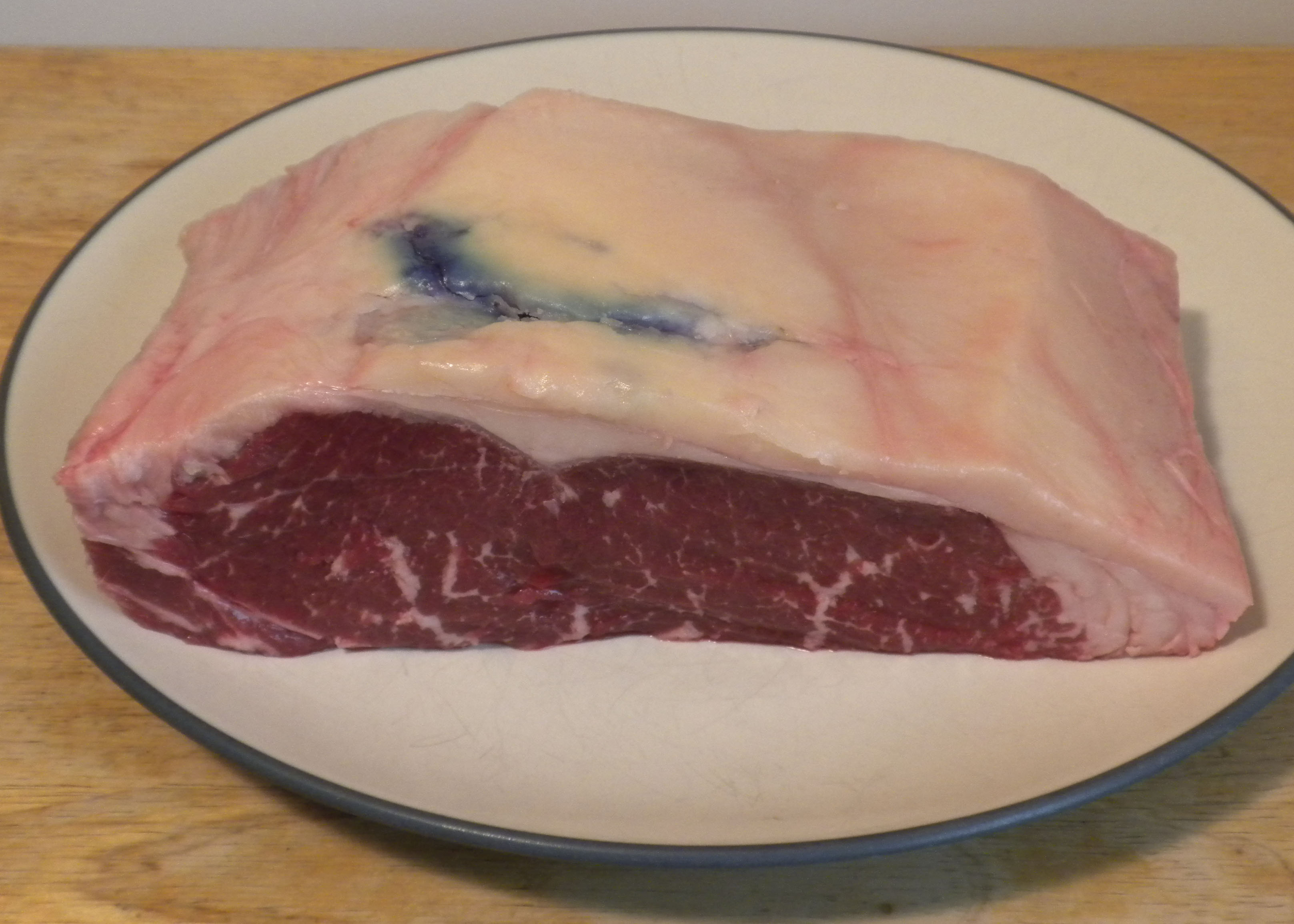
Grassfed strip loin roast from U.S. Wellness Meats, cut from strip loin primal
Do you know what a fat cap is? Most people today do not. A fat cap was once considered absolutely necessary for roasting meat. Fat caps will greatly improve the nutritional qualities and taste of any grassfed meat.
Here is a link to my guest blog about fat caps on Kim Hartke’s great site, Hartke Is Online:
Fat on Grassfed Meat is Healthy, Claims Cookbook Author
Health Benefits of Grassfed Meat
By Stanley A. Fishman, author of Tender Grassfed Meat
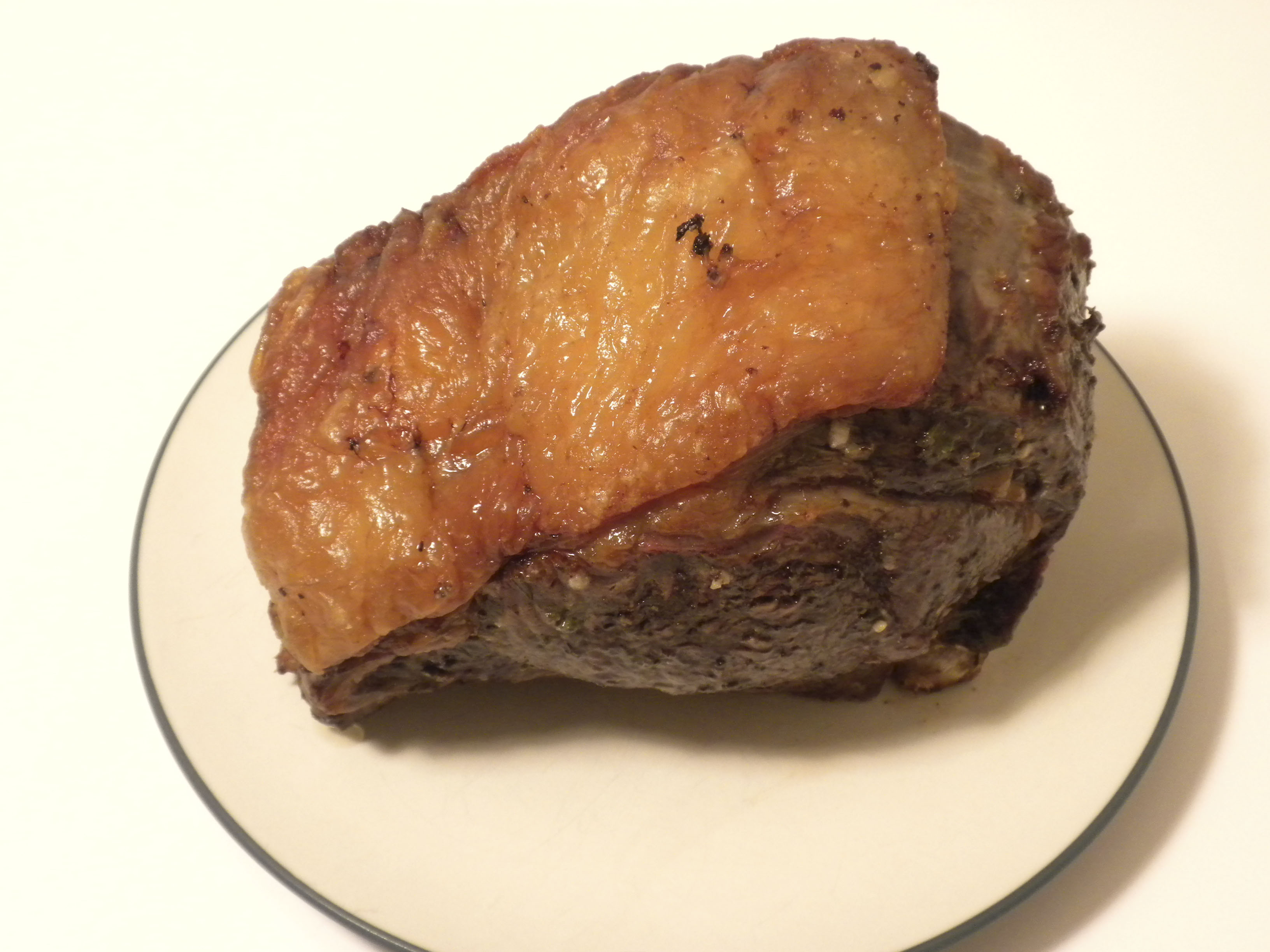
English Style Prime Rib, page 86, Tender Grassfed Meat.
Why did I spend three years writing a book on cooking grassfed meat? Why did I read over 300 cookbooks and novels? The answer is very simple. I wanted to improve my health by enjoying the immense health benefits of grassfed meat. Grassfed meat and fat are so nutritious that they can literally rebuild your body. They certainly rebuilt mine.
Grassfed meat is a completely different product from conventional meat. The natural food of cattle, bison, and lamb is grass and meadow plants. That is all they should be eating. When the animals are raised on grass, their meat is packed full of nutrients in the perfect proportion for good health, in a form that can be easily assimilated by the human body.
Meat that is not 100 percent grassfed and grass finished is fed a mixture of grain, soy, and many other things that were never a part of the natural diet of these animals. The “other things†can include rendered restaurant waste, various animal parts, cement dust, plastic balls, chicken manure, and many other unsavory ingredients. Some producers only feed a 100 percent vegetarian diet to their animals. However, even these diets usually consist of a large amount of grain and soy, which are not part of the natural diet of grass eating animals.
Omega-3 Essential Fatty Acids
The meat of grain finished animals is very different in composition than the meat of grassfed animals, and lacks many of the wonderful nutrients that are present in grassfed meat. For example, the natural balance of omega-6 fatty acids to omega-3 fatty acids should be no more than four to one. In grassfed meat, the ratio is usually one to one. In meat that is not exclusively grassfed, the ratio of omega-6 to omega-3 is often twenty-to-one. The omega-6 excess in the American diet has been associated with a greatly increased risk of cancer, heart disease, obesity, rapid aging, and many other health problems. Many doctors advise their patients to take fish oil capsules to try to help with the imbalance. Grassfed meat has the same ratio of omega-6 to omega-3 as wild fish.
The Benefits of CLA
In addition to having the proper ratio of omega-6 to omega-3 fatty acids, grassfed meat contains a large amount of CLA (Conjugated Linoleic Acid). The amount of CLA goes down when the animal is fed grain. The more grain fed to the animal, the less CLA. Various studies have shown that CLA:
- Increases the metabolic rate
- Increases muscle mass while reducing fat
- Decreases abdominal fat
- Strengthens the immune system
- Reduces the risk of cancer
- Reduces the risk of heart disease
- Reduces the risk of diabetes
- Reduces the risk of hyperthyroidism
- Normalizes thyroid function
More Nutrients in Grassfed Meat
But that is not all. Your body does not use nutrients in isolation, but is accustomed to receiving them together with other substances that are present in the food and necessary for your body to assimilate and use the nutrients. These substances are known as cofactors. When the cofactors are missing or altered, the ability of your body to use the nutrients is greatly reduced. This is why vitamin supplements are often ineffective, because your body needs the cofactors present in real food to properly assimilate nutrients. When you eat 100 percent grassfed and grass finished meat, you know you are getting all the cofactors, in their proper form.
Grassfed meat also provides a wide variety of vitamins, minerals, and amino acids. All of these nutrients are present in proper proportion to each other, along with the cofactors needed for your body to properly assimilate them.
My health has improved enormously since I made the switch to eating only 100 percent grassfed and grass finished meat. Learning how to cook grassfed meat was worth all the time, trouble, and expense. Good health is worth it!
Disclaimer:
I am not a doctor, and the above is not intended to be medical advice. Grassfed meat is a food, not a medicine. By all means, see a doctor if you want medical advice. The above is just a description of my understanding of the nutritional benefits of grassfed meat.
This post is part of GAPS Friendly Friday blog carnival. Read more great Real Food Wednesday blogs at Kelly the Kitchen Cop.
« Previous Page